ROADWORKS
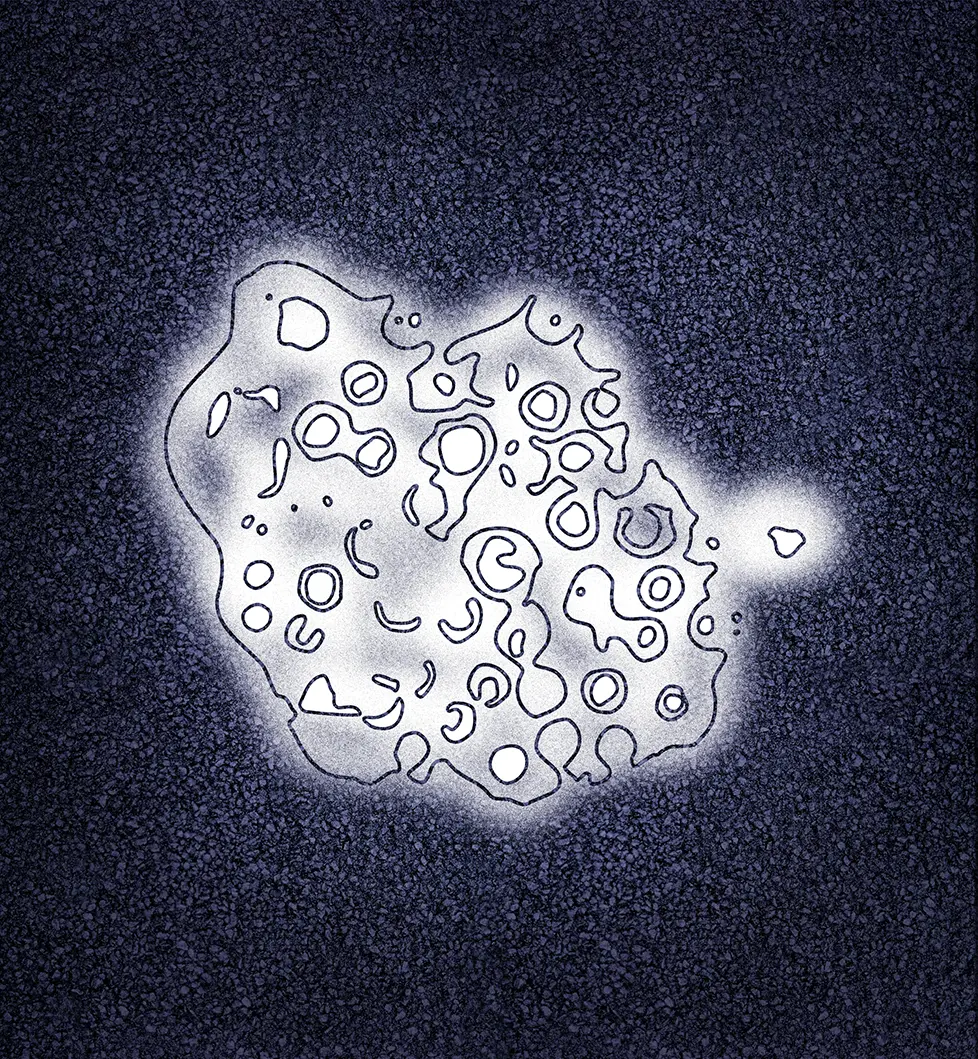
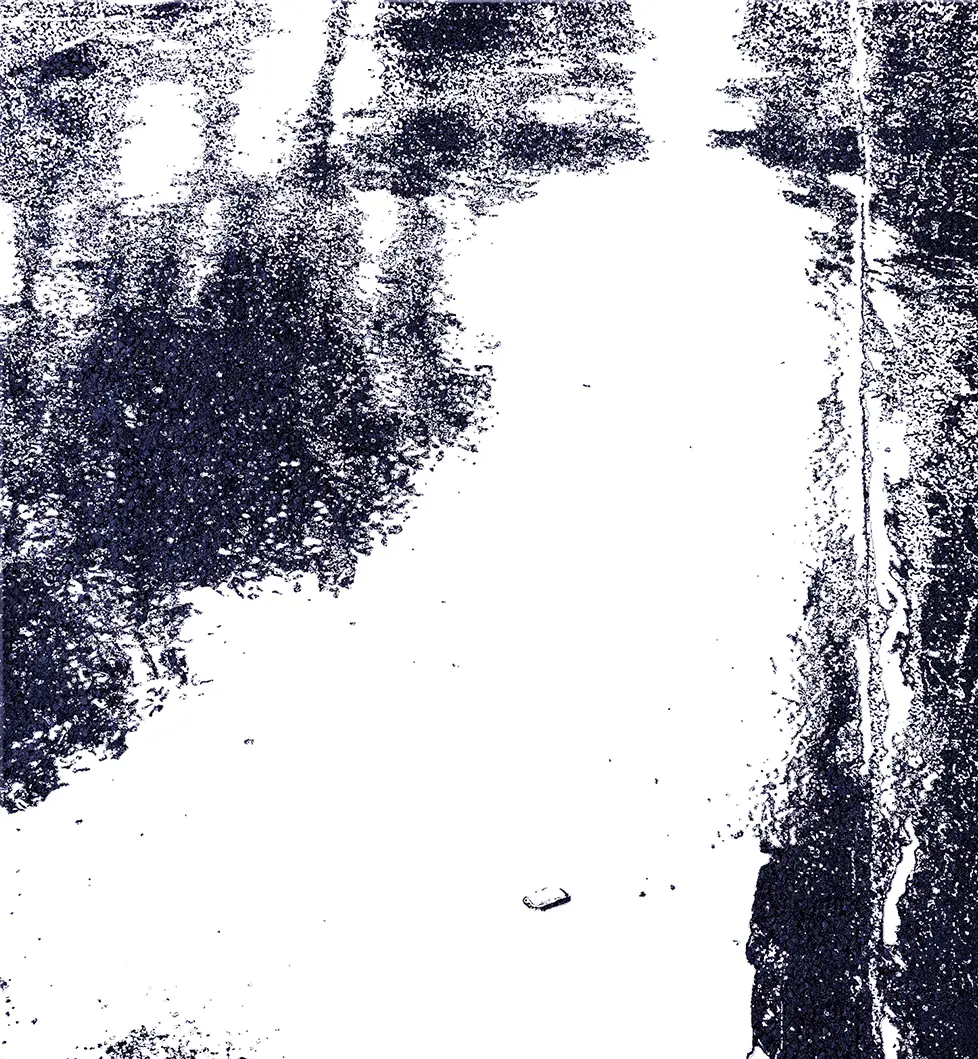
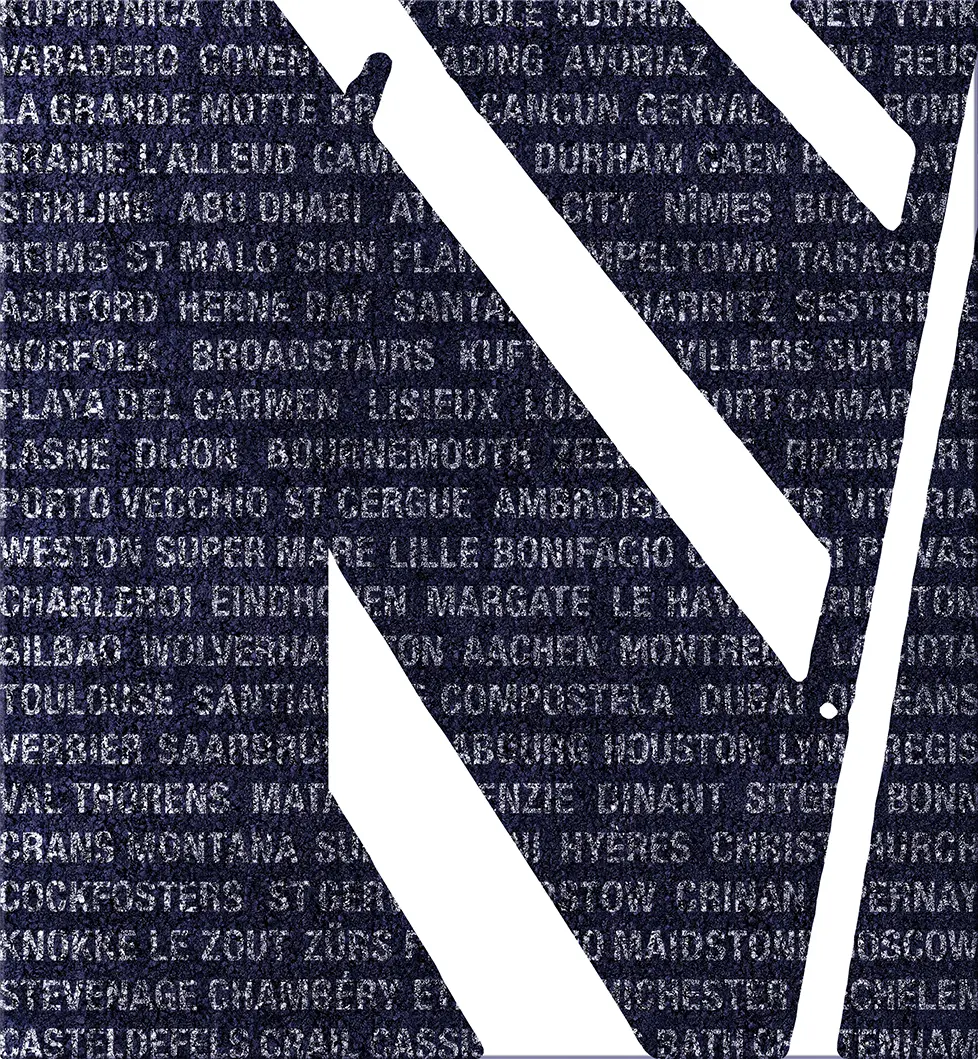
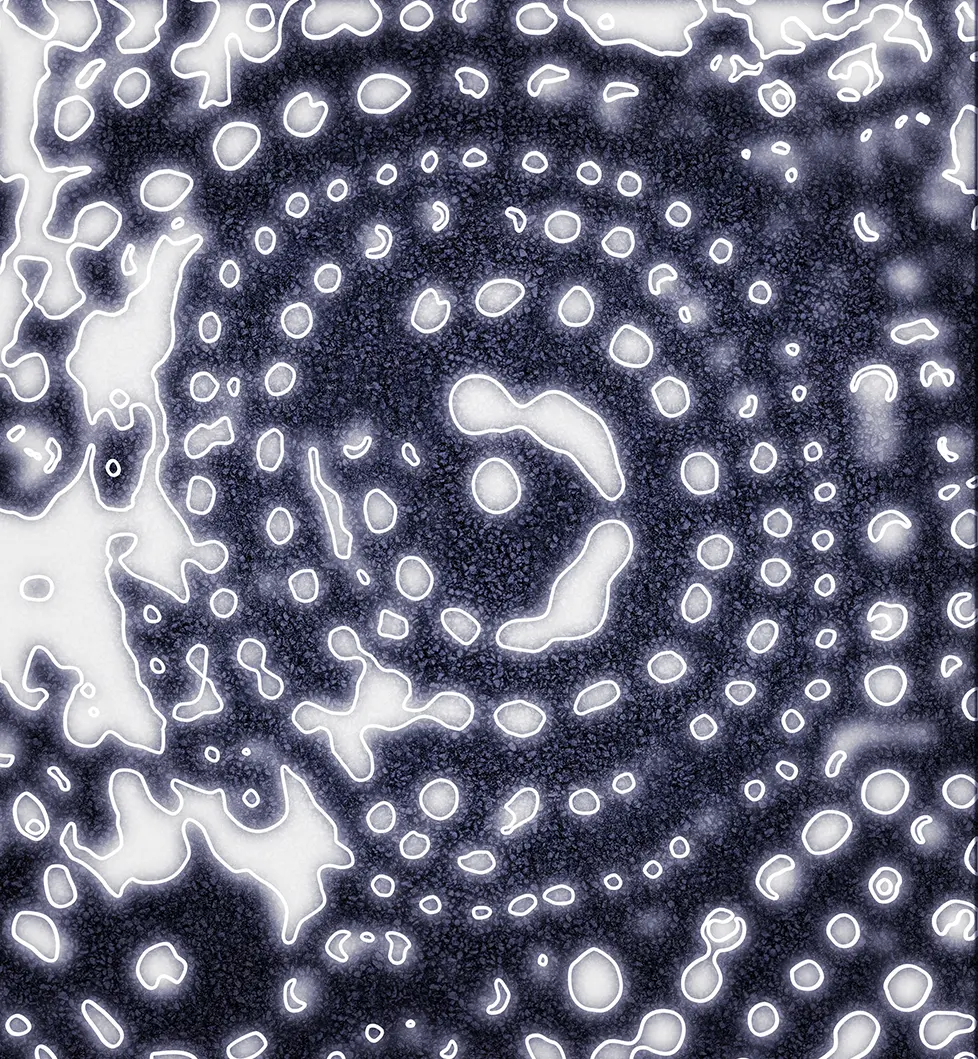
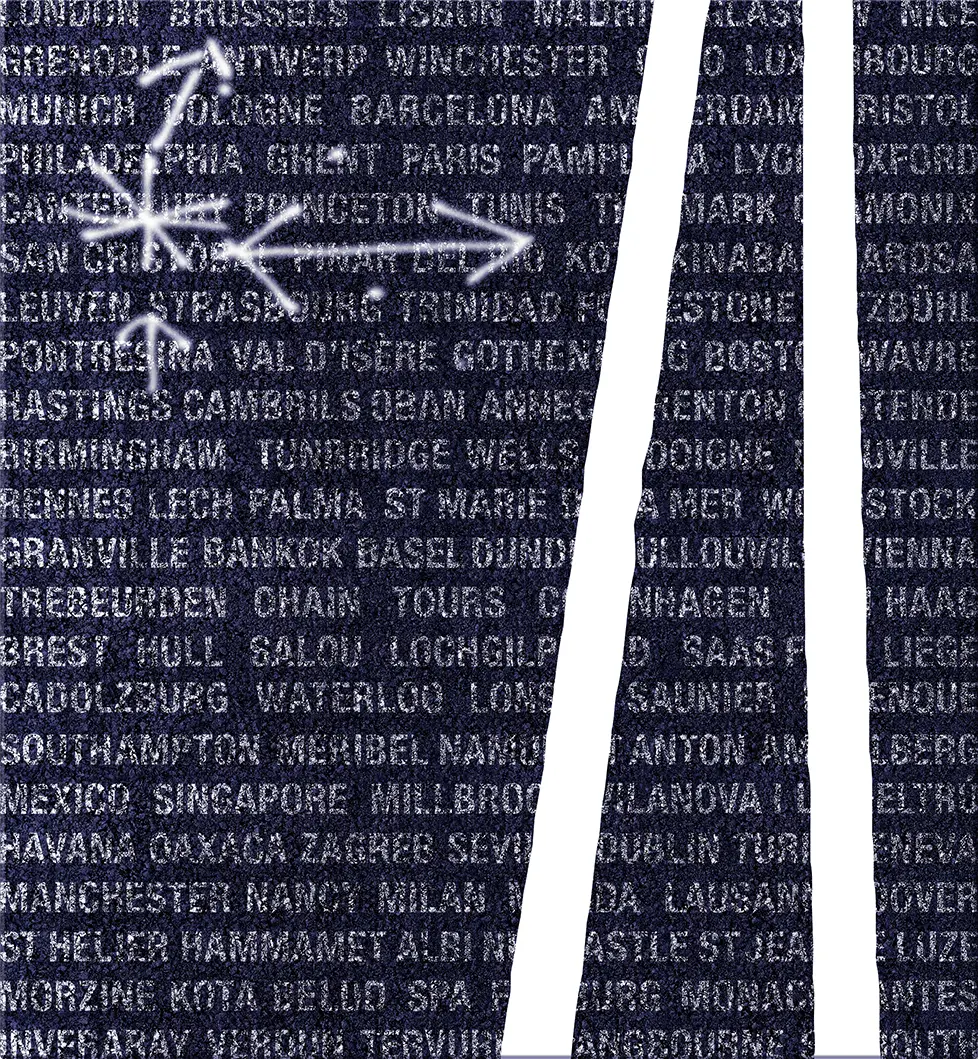
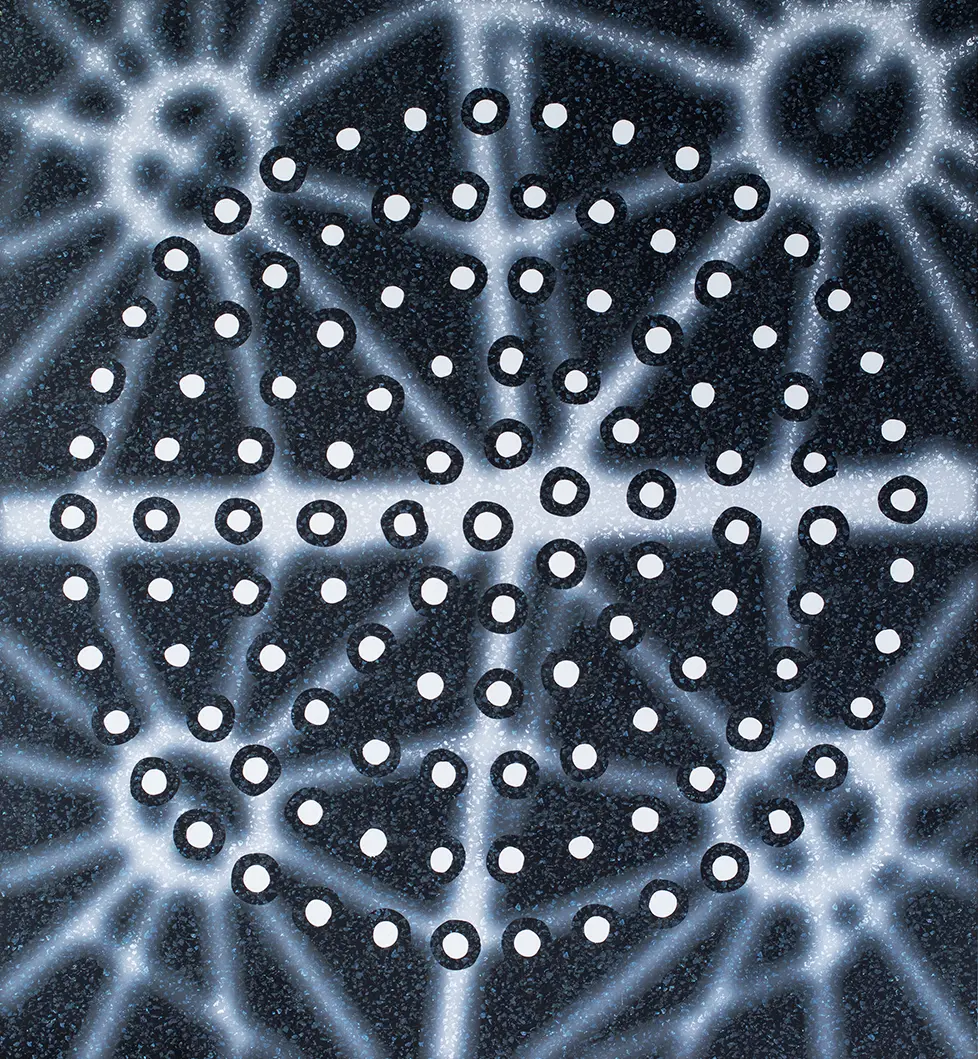
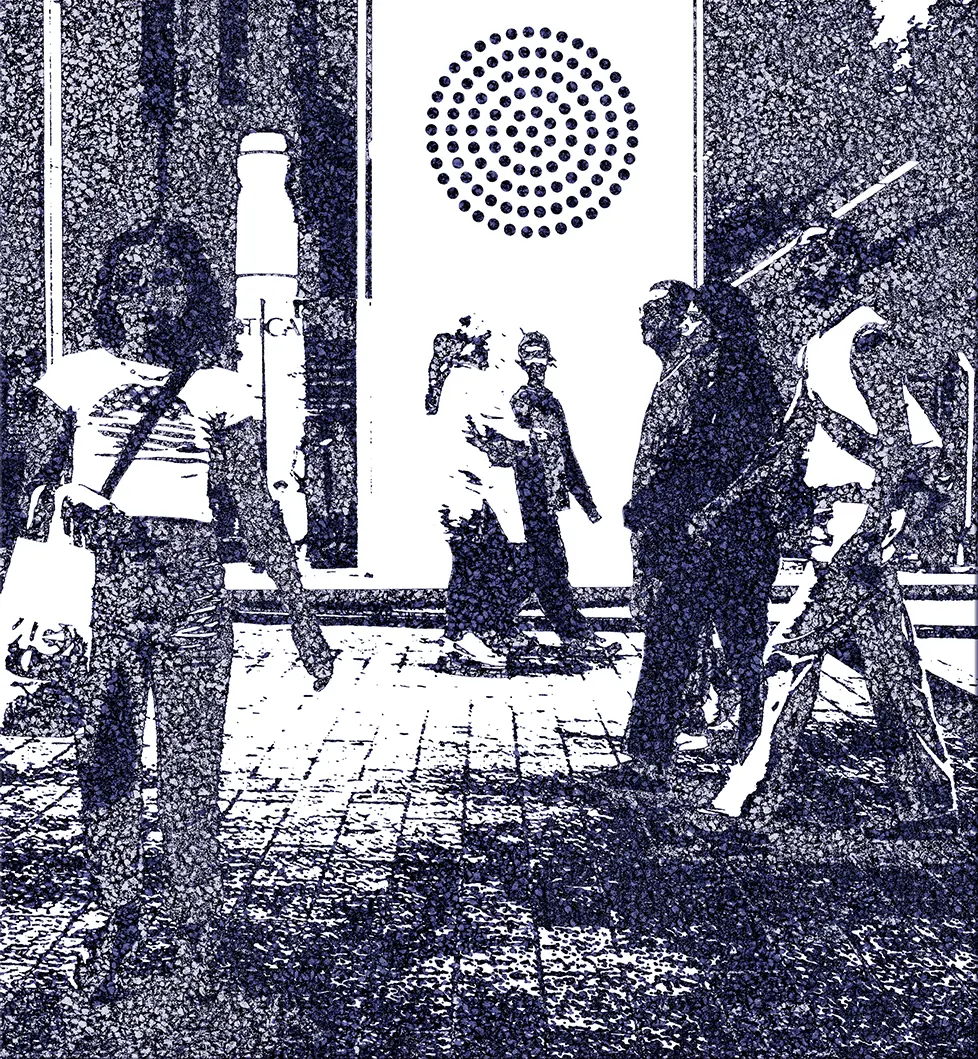
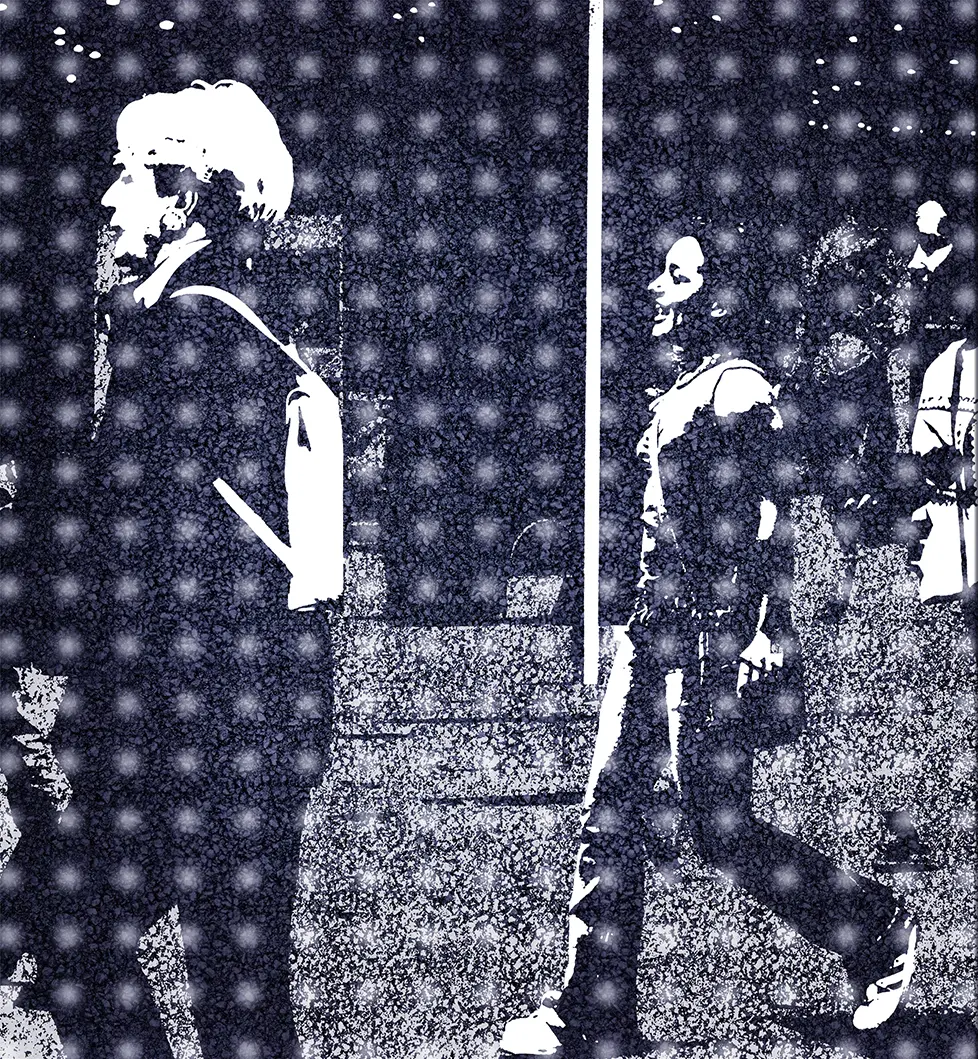
ROADWORKS began in Paris in 2001 following a direct encounter with the laying of fresh tarmac outside the artist’s home. Struck simultaneously by its toxic physicality and its strangely seductive visual presence, Neil Wood began to consider asphalt not merely as a functional material, but as one of the defining symbolic substances of modern civilisation.
Derived from crude oil and spread across landscapes on a planetary scale, tarmac became for Wood both a physical reality and a psychological condition: a black industrial skin linking mobility, consumption, infrastructure and ideas of progress. The project does not approach asphalt through overt political critique alone, but through a broader reflection on how materials quietly shape perception and behaviour while becoming almost invisible through familiarity.
“Symbolically, tarmac is the very substance that reminds us we are bound to the earth by gravity, while simultaneously creating a layer of separation. With its water-repellent surface and deep blackness, it insidiously links us to our oil addiction and to the mythology of industrial progress – literally covering over nature. We accept it without question. In fact, we barely see it anymore.”
A central formal innovation within ROADWORKS lies in the development of a customised half-tone texture system. Through densely modulated monochromatic surfaces – predominantly white – Wood creates the illusion of volume, light and three-dimensional form within flattened picture planes. Images emerge through accumulations of granular texture rather than traditional modelling, producing works that oscillate between photography, print-making and painting.
This material language deliberately parallels the aggregate structure of asphalt itself: compressed particles forming a continuous surface. Representation appears unstable, shifting according to distance and light, while the works retain an ambiguous status somewhere between image, object, signage and industrial fragment.
The project also reflects an ongoing tension between radical material experimentation and the practical realities of presentation. Earlier impulses leaned towards more direct and environmental forms of installation, but the eventual adoption of deep frames, printed canvas supports and vertical hanging formats introduced a degree of pictorial convention and consumer legibility. While this shift arguably softened some of the project’s initial radicality, it also became conceptually revealing: the works themselves began to embody the processes of packaging, adaptation and consumption that ROADWORKS quietly examines.
Throughout the series, roads are treated not simply as routes or engineering structures, but as cultural surfaces loaded with memory, ideology and desire. Tarmac becomes an urban stage upon which contemporary life continuously plays out – simultaneously banal, seductive and deeply consequential.
“Another way of expressing the reality of tarmac would be to say that it is the urban stage on which our lives play-out on a daily basis. So it also symbolizes the all-important mobility factor, with all that that implies”